Winnipeg, the heart of Canada, is not only the capital of Manitoba but also one of North America’s most historically and culturally rich cities. It blends the deep-rooted Indigenous culture with European colonial history, offering captivating natural landscapes and a modern urban atmosphere. If you are visiting Winnipeg for the first time, you might find the place unfamiliar, but don’t worry, the following travel tips will help you navigate the city with ease and enjoy a unique travel experience.
1. Overview of Winnipeg: Basic Information and Concepts
Winnipeg is a dynamic city located in central Canada, serving as the capital of Manitoba province. Known for its rich history and diverse cultural heritage, Winnipeg has played a pivotal role in shaping the cultural and economic landscape of Canada. The city is often referred to as the “Crossroads of Canada” because of its strategic location at the confluence of the Red River and Assiniboine River. This unique position has not only influenced its development but also resulted in stunning natural scenery that captivates both locals and visitors. Winnipeg’s historic significance is evident in its vibrant neighborhoods, with buildings that showcase its European and indigenous roots. The city offers a blend of urban sophistication and natural beauty, making it an appealing destination for both history enthusiasts and nature lovers alike. With its four distinct seasons, there’s something to enjoy year-round in Winnipeg, whether it’s exploring the rich heritage in winter or enjoying the warm summer festivals.
2. Climate and Best Time to Visit
Winnipeg is known for its extreme seasonal contrasts, with cold winters and warm summers. During the winter months (November to March), temperatures often plummet well below -20°C (-4°F), with snow covering the city for a good part of the season. The winter months are perfect for outdoor enthusiasts who enjoy skiing, snowboarding, snowshoeing, and ice fishing. If you’re planning to visit during this time, be sure to pack warm clothing, as temperatures can feel even colder with the wind chill. On the other hand, the summer months (June to August) are ideal for those who prefer milder temperatures. With daytime highs around 20°C (68°F) and cooler evenings, the city comes alive with outdoor activities, festivals, and cultural events like the Winnipeg International Film Festival and the Winnipeg Fringe Festival. If you’re seeking a quieter experience, the spring (April to June) and autumn (September to October) months are a great choice. The spring brings beautiful blooms and the revitalization of parks, while autumn provides a stunning canvas of colorful fall foliage. The transitional seasons allow visitors to experience the beauty of the city without the crowds of summer.
3. Transportation: How to Get to Winnipeg
Winnipeg James Armstrong Richardson International Airport (YYC) is the primary gateway for international visitors, offering direct flights from major cities across Canada, the U.S., and Europe. For those traveling domestically, there are numerous flights to Winnipeg from cities like Vancouver, Calgary, Ottawa, and Toronto, making it a highly accessible destination. The airport itself is well-equipped with amenities and offers a range of transportation options to the city, including shuttle services, taxis, and car rentals. For travelers who enjoy a scenic route, taking the train can be an exciting option. VIA Rail operates several routes connecting Winnipeg to other Canadian cities, including Toronto, Calgary, and Vancouver, providing a relaxing and picturesque way to reach the city. Additionally, Winnipeg has a reliable public transportation system within the city, making it easy for tourists to get around. The city’s public buses are frequent and can take you to many of the top attractions. For a more flexible option, taxis and ride-sharing services like Uber are readily available throughout the city. Whether arriving by air, train, or bus, Winnipeg offers a variety of convenient ways to reach and explore the city.

4. Accommodation Recommendations: Choosing the Right Hotel
Winnipeg offers a wide range of accommodation options, catering to different budgets and preferences. From affordable, family-friendly hotels to luxurious, upscale properties, you’re sure to find a place that suits your needs. Whether you’re here for business, leisure, or a family vacation, there is something for everyone.
- The Fort Garry Hotel, Spa and Conference Centre: This iconic hotel is a must-stay for those who seek a blend of history and luxury. Originally opened in 1913, it’s one of Winnipeg’s oldest hotels and boasts an opulent blend of classic design and modern amenities. The spa and conference facilities make it an excellent choice for both relaxation and business. With its proximity to major attractions like the Canadian Museum for Human Rights and The Forks, guests can easily explore the city during their stay.
- Inn at the Forks: Located in the heart of The Forks, one of the city’s most popular areas, this hotel is ideal for those who want to stay close to shopping, dining, and cultural experiences. The modern amenities and stylish decor make it an appealing choice for both short and long stays. Its location also provides easy access to the Red River, allowing for scenic views and outdoor activities such as walking, biking, and boating along the riverbanks.
- Fairmont Winnipeg: Situated in Winnipeg’s vibrant financial district, Fairmont offers a luxurious experience with exceptional service and world-class dining. Whether you’re attending a business conference or simply want to indulge in a lavish getaway, this hotel offers everything you need. Guests can unwind at the hotel’s spa, enjoy gourmet meals at its upscale restaurant, or take a walk through the downtown area, filled with attractions, shopping, and nightlife.
5. Must-Visit Attractions: Classic Sights in Winnipeg
Winnipeg is not only a historically significant city but also home to many cultural attractions and natural wonders that attract visitors from all over. Here are some of the sights you absolutely cannot miss:
- Canadian Museum for Human Rights: One of Winnipeg’s most iconic landmarks, this museum is the only one in the world dedicated to human rights. Its stunning architectural design and thought-provoking exhibitions make it a must-visit for anyone interested in human rights, justice, and equality. The museum’s innovative galleries tell the stories of those who have fought for freedom and dignity, and it offers a deep, meaningful experience for all ages. The building itself is a work of art, offering sweeping views of the city and the surrounding rivers.
- The Forks: Located at the confluence of the Red and Assiniboine Rivers, The Forks is a historic area brimming with shops, restaurants, and cultural activities. It’s the perfect place to spend a day or evening with family and friends. Whether you’re strolling along the riverwalk, shopping for local crafts, or enjoying a meal at one of the waterfront restaurants, you’ll find plenty to do. During the winter months, the area transforms into a winter wonderland, with ice skating rinks, tobogganing hills, and festive holiday markets.
- Assiniboine Park: Winnipeg’s largest park offers a variety of attractions within its expansive grounds. The Assiniboine Park Zoo is home to a diverse range of animals, including polar bears, bison, and penguins, making it a hit with families. The park also features beautifully landscaped gardens, peaceful walking trails, and plenty of open space for picnics, outdoor games, or simply enjoying the fresh air. The Leo Mol Sculpture Garden, located within the park, is a serene and beautiful spot, showcasing impressive works by the renowned Canadian sculptor.
- Winnipeg Art Gallery: Art lovers will be in awe of the Winnipeg Art Gallery, which houses one of the most extensive collections of Indigenous art in Canada. The gallery showcases a vast array of exhibitions, including both contemporary and historical works from local, national, and international artists. The gallery’s design itself is a work of art, with its stunning architecture offering a modern contrast to the city’s historic sites. Whether you’re a casual visitor or an art aficionado, this gallery offers a compelling experience that reflects the diverse cultural fabric of Winnipeg.
6. Winnipeg Cuisine: Must-Try Local Foods
Winnipeg’s culinary scene offers a blend of flavors, with a focus on traditional Canadian dishes. Here are some local specialties you should try:
- Wild Mushrooms: Winnipeg is known for its wild mushrooms, which are often featured in local dishes. These mushrooms are harvested from the surrounding forests and are prized for their earthy flavor and unique texture. Many fine dining establishments incorporate them into everything from soups and salads to savory meat dishes, allowing you to experience a true taste of the region’s natural bounty.
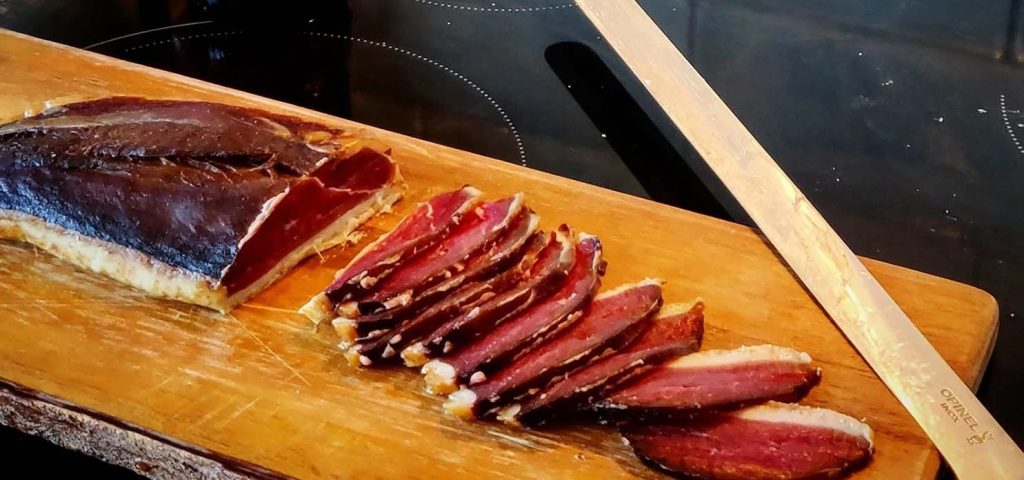
- Smoked Duck Breast: For a taste of refined local cuisine, try smoked duck breast, a popular dish in upscale restaurants across Winnipeg. The rich, smoky flavor of the duck pairs perfectly with seasonal fruits, sauces, and vegetables. Whether served as an appetizer or a main course, it’s a dish that embodies the city’s commitment to high-quality, locally sourced ingredients.
- Canadian Beef: The surrounding prairies of Manitoba are home to numerous farms, many of which raise grass-fed cattle. This means that Winnipeg’s beef is some of the freshest and most flavorful you’ll find anywhere in Canada. Many of the city’s steakhouses and upscale restaurants specialize in offering tender, perfectly cooked steaks. Be sure to try a local steakhouse, where you can enjoy premium cuts like ribeye, tenderloin, or a juicy T-bone.
7. Cultural Etiquette: Understanding Winnipeg’s Cultural Heritage
When traveling in Winnipeg, it’s important to respect the local culture. Canada is a multicultural country, and Winnipeg is no different. Be mindful of the Indigenous culture, local customs, and environmental consciousness, all of which are integral parts of the city’s identity.
The people of Winnipeg are generally friendly and welcoming. You can always ask locals for advice or assistance. Most residents speak English fluently, but you may also hear French in certain places. By keeping an open mind and embracing the local culture, you’ll have a richer and more fulfilling experience.