Every time I plan a trip, I spend quite a bit of time on flight bookings—especially when it’s a long-haul and popular destination like Calgary, Canada. As the gateway to the Rockies, Calgary is one of the most sought-after cities in Western Canada, but flight prices can spike during peak seasons. After numerous trial-and-error experiences, I’ve developed a set of practical strategies for booking flights to Calgary—from choosing the right time to fly to avoiding hidden costs and using price comparison tools. Here’s everything you need to save more and fly farther.
1. Why Choose Calgary as a Destination?
Calgary is located in the southwest of Alberta and serves as a launching point for exploring nearby national parks like Banff and Jasper. It’s a year-round attraction—snow sports in winter and hiking in summer. Calgary International Airport (YYC) is also a major transportation hub in Western Canada. Thanks to the variety of available flights, smart planning and booking can help save money while improving the travel experience.
2. When Is the Best Time to Fly to Calgary?
After years of observation and hands-on experience, I’ve found that flight prices are heavily influenced by seasons, holidays, and departure times. Here are my conclusions for the best times to book:
1. Avoid Peak Travel Seasons
- Winter (December to February): Prices soar around Christmas and New Year’s—avoid mid-December to early January.
- Summer (June to August): This is North America’s high season, especially for the Rockies, making airfare expensive.
If your travel schedule is flexible, I recommend traveling during shoulder seasons, namely:
- Late May to early June
- Mid-September to early October
These months offer mild weather, fewer crowds, and more affordable airfare.
2. The Golden Time to Book
Most airlines release their best-value tickets about 1.5 to 3 months before departure, especially on international routes. For flights from North America to Calgary, booking 45 to 60 days in advance tends to yield the best prices. Too early or too late often leads to less-than-ideal deals.
3. How to Find the Best Flight Deals
1. Use Multiple Comparison Sites
When it comes to hunting down the best airfare, using just one platform isn’t enough. I always compare prices across several flight aggregators to ensure I’m seeing the full picture. Here are a few that never let me down:
- Google Flights: It has a clean interface and offers a visual calendar showing the cheapest travel days, which is incredibly helpful if your travel dates are flexible. It also shows whether current prices are high, low, or typical.
- Skyscanner: Known for its powerful search tools, it allows you to search for the cheapest month and set up alerts for specific routes. It’s great for open-ended planners.
- Kayak: This site shines when planning complicated itineraries or looking at multi-city trips. Their “Explore” feature also helps spark travel inspiration based on your budget.
- Momondo: Less mainstream but extremely useful for surfacing hidden fare deals, especially when smaller or regional airlines are involved.
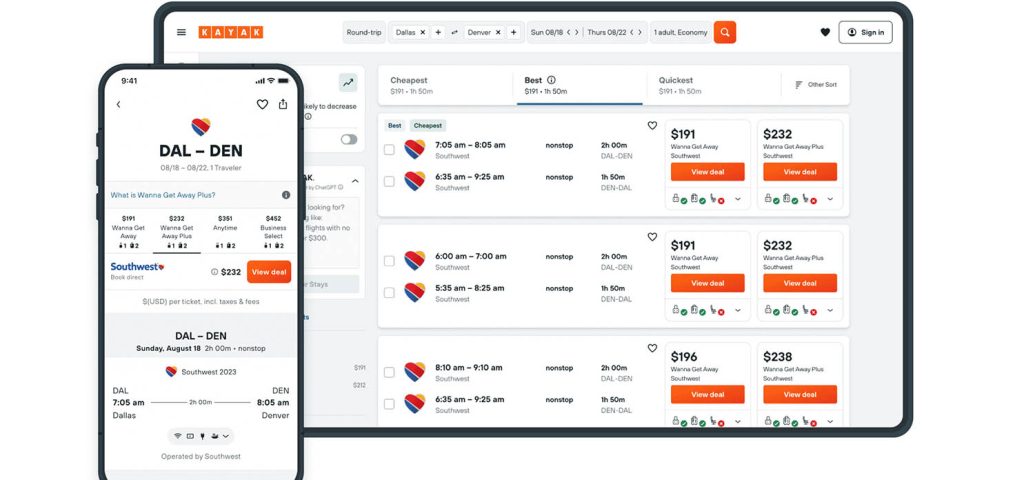
Tip: Always double-check the price on the airline’s official website. Occasionally, airlines post exclusive deals only available directly through them—and these often include better cancellation policies or free baggage.
2. Set Price Alerts
One of the easiest yet most effective tools in my flight-booking toolbox is the price alert. Nearly every major platform, including Google Flights and Skyscanner, offers this feature. By setting an alert, you’ll receive notifications when the price drops or fluctuates significantly.
For instance, when I was planning a September trip to Calgary, I set alerts in early May. Over the next 2–3 weeks, I monitored how the prices evolved daily. I noticed that Mondays and Tuesdays typically had small dips in fares, while weekends saw slight increases. This gave me the confidence to pounce when the right deal appeared.
If you have flexible travel dates, pair alerts with a flexible date range search. You’ll often find that flying one or two days earlier or later can shave off a considerable amount.
3. Be Flexible With Departure Cities and Routes
Flexibility isn’t just a bonus—it’s a game changer when it comes to airfare. If you live near a major airport, great. But if you’re based in a smaller city or one with limited airline options, consider expanding your departure city to nearby hubs.
For example:
- From the U.S. West Coast, instead of always flying out of Los Angeles, I compare prices from San Francisco and Seattle as well. Budget carriers often operate more routes from these cities.
- From Europe, departures from London Heathrow, Amsterdam Schiphol, or Frankfurt tend to be more competitively priced thanks to their large volume of international connections.
You should also consider open-jaw flights (flying into one city and out from another) or combining budget airlines with full-service carriers. Taxes, airport fees, and exchange rates can all make a significant difference depending on the route you choose. Sometimes, a short domestic flight or train ride to a different departure city can result in hundreds of dollars saved.
4. Watch Out for Hidden Fees and Traps
Not all cheap tickets are truly cheap—many are riddled with hidden charges that quietly add up. Over the years, I’ve learned to spot and avoid these common pitfalls that can turn a budget flight into an expensive one.
1. Understand Baggage Policies
Budget airlines are notorious for their strict baggage rules. Often, even a small carry-on isn’t included in the base fare. One time, I booked a CAD 95 ticket from Vancouver to Calgary with a low-cost airline. However, I hadn’t realized my carry-on exceeded their weight limit. At the gate, I was charged an unexpected CAD 70, nearly doubling my ticket price.
Solution: Always read the fine print on the airline’s website before booking. Pre-paying for baggage during online check-in is not only cheaper but also saves you the stress of dealing with it at the airport.
2. Seat Selection and Meals
Some airlines now charge extra for everything—want to sit next to your travel companion? That’s extra. Craving a sandwich on board? That’s extra, too. Unless you’re flying long-haul with a full-service carrier, these small charges can add up.
Tip: If you don’t have strong seat preferences and don’t mind bringing your own snacks, you can easily skip these paid extras. Many flights under five hours don’t really require meals anyway.
3. Check Flight Times and Layovers
It’s common to find lower fares that involve long layovers, red-eye departures, or odd-hour arrivals. While these flights may look attractive on paper, they can complicate your trip logistics.
Watch for:
• Layovers that are either too short to comfortably transfer or too long to be worth the savings.
• Transit visa requirements—for instance, flights that transit through the U.S. require ESTA even if you’re just switching planes.
• Late-night arrivals or overnight layovers, which might lead to unexpected costs like hotel stays or taxi rides when public transport is unavailable.
Conclusion: Before jumping on the cheapest option, calculate the full cost—including time, inconvenience, and potential add-ons. Sometimes paying slightly more for a direct or better-timed flight actually saves money in the long run.
5. Extra Savings Tips
1. Airline Loyalty Programs
If you frequently fly with certain airlines, signing up for their loyalty programs can be a game changer for long-term savings. For example:
- Air Canada’s Aeroplan: Offers miles not only for flights, but also for hotel stays, car rentals, and even credit card spending.
- WestJet Rewards: Allows you to earn WestJet dollars, which can be used directly to discount future flights.

These programs also often offer priority boarding, free seat selection, and access to partner lounges. Over time, those accumulated perks can significantly improve both comfort and cost-efficiency, especially for travelers who fly even just a few times a year.
2. Credit Card Rewards and Discounts
Many travel-oriented credit cards offer a wealth of benefits—from sign-up bonuses and travel insurance to free checked luggage and no foreign transaction fees. Some also provide exclusive deals via affiliated booking platforms. For instance, I once used a premium travel card that provided a 10% cash back through its booking portal, saving me over 300 yuan on my ticket. Others may offer bonus points when you book flights or hotels, which can then be used for future redemptions. It’s worth researching which cards align best with your travel habits, especially those tied to major airlines.
3. Error Fares and Flash Sales
Though unpredictable, error fares and flash sales offer some of the deepest discounts you’ll ever find—sometimes slashing international fares by more than 70%. These “mistake fares” may result from currency glitches, fare input errors, or brief promotional windows. To catch them, I subscribe to alert platforms such as Secret Flying, The Flight Deal, and Fly4Free, which notify you via email or app the moment such deals are live. You need to act fast—these fares can disappear within hours—but for the flexible traveler, the savings can be truly extraordinary.
6. Flying to Calgary Isn’t as Expensive as You Think
With the right timing, smart tools, and careful planning, the cost of flying to Calgary can be significantly reduced. It’s not just about finding the lowest price, but striking a balance between comfort and cost-efficiency. Whether you’re planning a trip to the Rockies or exploring Canada’s vibrant west, these tips can make your journey smoother, cheaper, and more enjoyable.